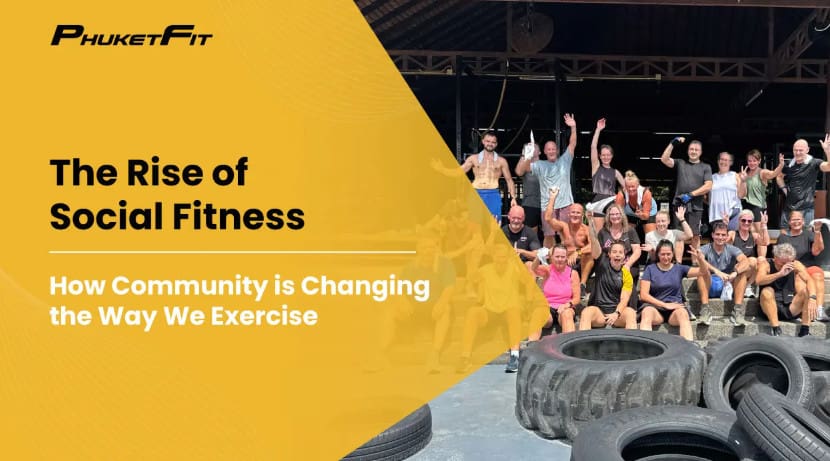
The Rise of Social Fitness: How Community Is Changing the Way We Exercise
Key Takeaways
- Social fitness is changing exercise from an individual activity into a shared experience.
- Run clubs and group workouts combine physical activity with social connection.
- A supportive fitness community can improve motivation, accountability, and consistency.
- Group fitness does not have to mean giving up personalization.
- Technology can add another layer of personalization through real-time performance and recovery data.
- Fitness retreats can combine fitness, nutrition, recovery, education, and community in one environment.
- Sustainable fitness is not only about training harder; it is about creating a lifestyle you can continue.
For years, fitness was often viewed as an individual pursuit: putting on your headphones, going to the gym, following a workout plan, and measuring your own progress. Today, that mindset is changing.
From group training sessions and wellness retreats to community-based workouts, social fitness is becoming one of the biggest shifts in how people approach exercise. Fitness is no longer just about burning calories or building muscle. Increasingly, people want movement to be enjoyable, motivating, and connected to their social lives.
This shift reflects a broader understanding of wellness: staying healthy is easier to sustain when it becomes something you enjoy and share with others.
Why Is Social Fitness Becoming So Popular?
One of the biggest reasons behind the growth of social fitness is simple: exercising with other people can make fitness more enjoyable. Group fitness classes, run clubs, cycling communities, and outdoor workout groups give people a reason to show up beyond the workout itself. They provide social connection, accountability, and a shared sense of progress.
For people who struggle with motivation, having others expecting you to turn up can make a significant difference. Instead of thinking, "Do I feel like working out today?", being part of a community can create a stronger reason to participate.
Social fitness can also make exercise feel less intimidating. Beginners can find encouragement from people at different fitness levels, while more experienced participants can benefit from shared challenges and goals.
The Rise of Group Fitness
Group fitness is one of the clearest examples of the wellness trends for 2026.So, why is everyone joining group classes?
Training used to be associated with individual performance and solo effort. Now, many fitness communities combine exercise with social experiences, such as post-workout coffee, group dinners, weekend activities, and local events.
The same concept is appearing across other forms of exercise. Group strength classes, Pilates, Yoga, Muay Thai, Boot camps, Cycling groups, and outdoor fitness sessions all provide opportunities to combine physical activity with social connection. This makes fitness part of a lifestyle rather than something that only happens inside a gym.
How Community Can Improve Fitness Motivation
Motivation is often easier to maintain when you don't have to rely entirely on yourself.
A supportive fitness community can provide several benefits:
- Accountability: Knowing others are participating can encourage you to stay consistent.
- Motivation: Seeing other people working toward their goals can inspire you to keep going.
- Connection: Shared activities can help people build friendships and social networks.
- Enjoyment: Exercise can become a social experience rather than another task on your to-do list.
- Consistency: Creating a routine around group activities can make healthy habits easier to maintain.
Ultimately, the most effective exercise routine is often the one you can consistently enjoy.
Social Fitness Is About More Than Exercise
The benefits of community-based fitness extend beyond physical performance.
Regular social interaction can contribute to a greater sense of connection and belonging, while exercise itself can support mental wellbeing. Combining the two creates an experience that addresses both physical and social aspects of health. This is particularly relevant as people increasingly look for wellness experiences that fit into their overall lifestyle.
Instead of simply asking, "How many calories did I burn?", people are also asking:
Did I enjoy the experience?
Did I meet people who motivate me?
Can I see myself doing this consistently?
These questions reflect a broader move toward sustainable wellness rather than short-term fitness challenges.
Why Social Fitness Works Well in a Wellness Retreat
A fitness retreat in Thailand can take the concept of social fitness one step further. Rather than exercising alone while travelling, guests can participate in structured classes, shared activities, educational sessions, and wellness experiences alongside people with similar goals. This might include workshops, cooking classes, beach bootcamps, and other group adventures.
At PhuketFit, this sense of community is built into the retreat experience. The resort brings together like-minded and motivated individuals from around the world, with programs combining structured training, nutrition, education, recovery, and accountability.
The result is an environment where fitness becomes part of everyday life. Guests can train, learn, explore, and stay accountable together while still working toward their own individual goals.
How PhuketFit Combines Community With Personalized Fitness
Social fitness doesn't mean everyone needs to follow the same workout or have the same goal. In fact, one of the strengths of a well-designed fitness community is being able to work toward individual goals while benefiting from a shared environment.
At PhuketFit, we combine group-based activities with personalized guidance. The programs include different forms of training, from strength, mobility, yoga, Muay Thai, aqua fitness, beach bootcamps, and sunrise treks. Classes are designed to remain client-focused, as we control class numbers and adjust coaching support when needed. This allows guests to experience the motivation of group fitness while still receiving support that reflects their own fitness level and goals.
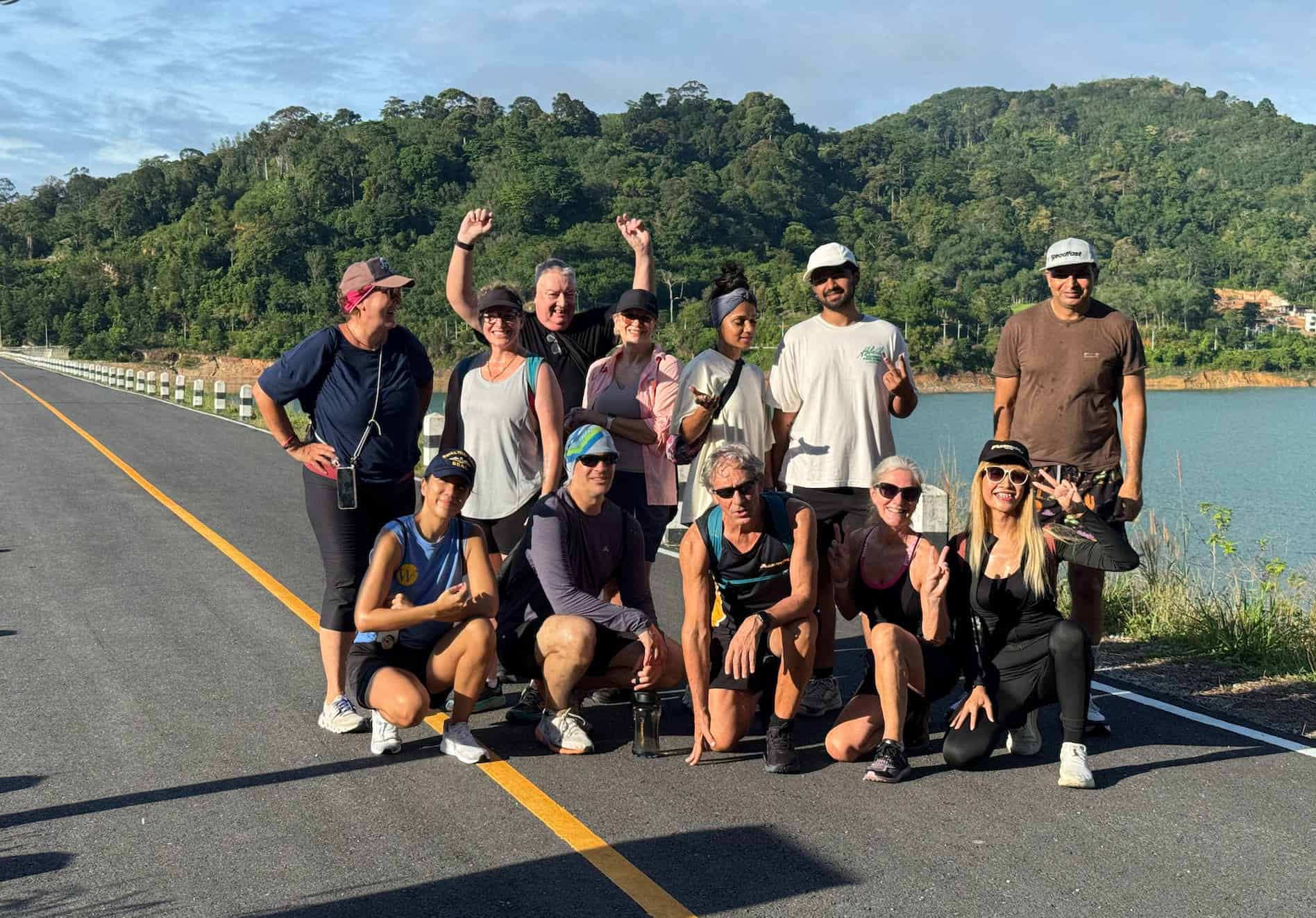
The approach also goes beyond exercise. PhuketFit combines training with personalized meal plans, nutrition education, recovery facilities, body-composition assessments, and progress tracking.
Technology Is Adding a New Dimension to Social Fitness
The rise of social fitness is also happening alongside the growth of fitness technology.
Wearables and real-time tracking are changing how people understand their workouts. Instead of simply completing a class, participants can gain insight into exercise intensity, performance, and recovery.
Exclusively as part of the Weight Loss Program, PhuketFit's Heart-Rate Zonal Training is one example. During cardiovascular sessions, Garmin™ heart-rate monitors allow participants and coaches to see training zones in real time. After the session, data is saved to the PhuketFit app dashboard, where it can be used for progress and recovery recommendations.
This creates an interesting combination: the motivation of training with a community and the personalization of data-driven fitness. Rather than competing with the person next to you, technology can help you understand and work toward your own optimal training intensity.
The Future of Fitness Is Social, Personalized and Sustainable
The growth of social fitness suggests that the future of exercise may not be about choosing between individual and group training. Instead, people are increasingly looking for a combination of:
Community + Personalization + Accountability + Recovery
A group environment can provide motivation and connection. Personalized coaching can help adapt training to individual needs. Technology can provide useful feedback. Nutrition and recovery can help support long-term progress.
That is also why fitness retreats are evolving beyond traditional boot camps. A modern wellness retreat can provide an environment where exercise, healthy eating, education, recovery, and social connection work together.
Why Community Could Be the Key to Sustainable Fitness
Getting fit is one goal. Maintaining a healthy lifestyle is another. Short-term challenges can create motivation, but sustainable results require habits that people can continue long after the initial excitement disappears. A supportive fitness community can help make those habits easier to maintain. When exercise becomes connected to friendships, routines, shared experiences, and personal goals, it can become something people genuinely look forward to.
At our fitness retreat in Thailand, the focus is not simply on completing workouts alone. Our philosophy emphasizes helping guests understand exercise, nutrition, and healthy lifestyle habits so they can continue their progress after returning home. That makes social connection more than a bonus. It becomes part of creating a healthier and more sustainable lifestyle.
Ready to experience the benefits of social fitness for yourself? Explore PhuketFit and see how community-driven training can transform your results.
Frequently Asked Questions