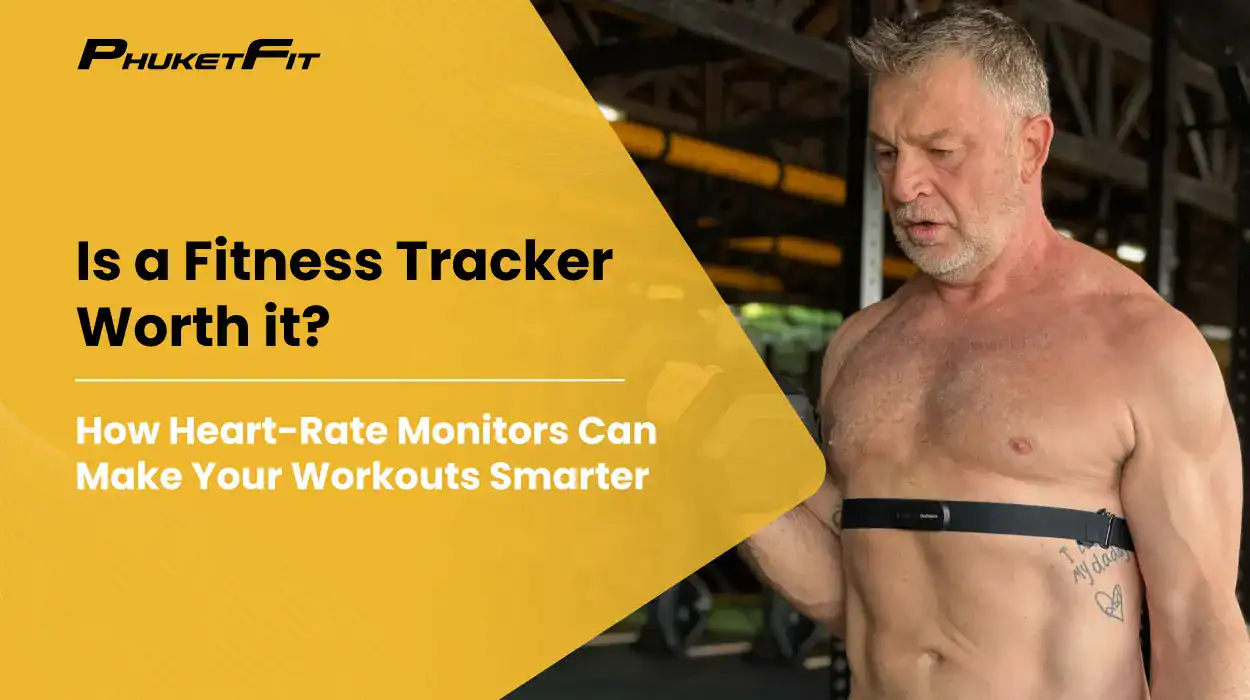
Is a Fitness Tracker Worth It? How Heart-Rate Tracking Can Make Your Workouts Smarter
Key Takeaways
- Fitness trackers can provide useful information about activity, heart rate, workout intensity, and progress.
- You don't need a fitness tracker to get fit, but it can make your training more measurable and personalized.
- Heart-rate tracking can help you understand exercise intensity and train within appropriate zones.
- Fitness tracking can support weight loss by encouraging accountability, consistency, and informed training decisions.
- Technology should complement—not replace—nutrition, recovery, sleep, exercise, and professional guidance.
- PhuketFit uses Garmin™ heart-rate monitors and live heart-rate zonal training as part of its Weight Loss Program.
- Workout results are stored in the PhuketFit app to support progress, recovery, and future intensity recommendations.
- A structured weight loss holiday Thailand experience can combine fitness tracking with coaching, nutrition, recovery, and accountability for a more comprehensive approach to weight loss.
Fitness trackers have changed the way people approach exercise. Instead of simply counting steps or recording how long they worked out, wearable technology can now provide information about heart rate, workout intensity, calories burned, sleep, recovery, and training performance.
But is a fitness tracker worth it if your goal is to improve your health or lose weight?
The answer depends on how you use the information. A fitness tracker cannot replace exercise, nutrition, sleep, or professional guidance. However, when used correctly, fitness tracking can provide useful insights that help you train more intentionally, monitor progress, and build more consistent habits. For people working toward weight loss, heart-rate tracking can be particularly useful because it provides a clearer picture of how hard the body is working during exercise.
What Can a Fitness Tracker Actually Tell You?
Modern fitness trackers can monitor a range of health and fitness metrics. Depending on the device, these may include daily activity, heart rate, workout duration, estimated calories burned, sleep, recovery, and training intensity.
One of the most useful measurements during exercise is heart rate. Your heart rate can provide an indication of how hard your cardiovascular system is working. Rather than simply completing a workout and guessing whether the intensity was appropriate, heart-rate monitoring can provide real-time feedback.
A fitness tracker can help you understand:
- How active you are throughout the day
- How intense your workouts are
- How your heart rate changes during exercise
- How long you spend at different training intensities
- How your activity changes over time
- How your body responds to different workouts
This makes fitness data more actionable. Instead of simply asking, "Did I work out today?", you can start asking, "Was this the right intensity for my goal?"
How Do Fitness Trackers Help With Weight Loss?
One of the most common questions is how do fitness trackers help with weight loss? Weight loss ultimately depends on maintaining an appropriate energy balance over time, but a fitness tracker can help support the behaviors that contribute to that process.
Tracking activity can make daily movement more visible and encourage consistency. Heart-rate data can also help you understand the intensity of your workouts, while longer-term tracking can show whether your activity levels are changing.
For example, a person working toward weight loss might use tracking data to:
- Monitor exercise frequency
- Understand workout intensity
- Stay consistent with daily movement
- Monitor changes in fitness over time
- Identify periods of inactivity
- Adjust training based on recovery
However, calories and exercise data should not be treated as the entire weight-loss equation. Nutrition, sleep, stress, recovery, and consistency all influence the ability to achieve sustainable results. This is why a structured weight-loss program can offer more value than simply wearing a tracker and collecting data.
Why Heart-Rate Zones Are Changing the Way People Train
One of the most useful developments in fitness tracking is the ability to monitor your heart-rate zones. Heart-rate zones describe different levels of exercise intensity based on your heart rate. Training at different intensities can create different effects, from easier aerobic work to higher-intensity cardiovascular training. Understanding these zones can help you avoid treating every workout as an all-out effort.
For example, constantly training at a very high intensity may leave you feeling excessively fatigued and make it harder to recover between sessions. On the other hand, training at an appropriate intensity for your goal can help you get more from your workout without unnecessarily pushing your body. This is particularly relevant for people working toward weight loss.Instead of assuming that harder always means better, heart-rate monitoring can help answer a more useful question:
What intensity is appropriate for me today?
Real-time heart-rate monitoring makes it possible to adjust your effort during a workout rather than only reviewing your performance afterward.
How PhuketFit Uses Heart-Rate Tracking to Train Smarter
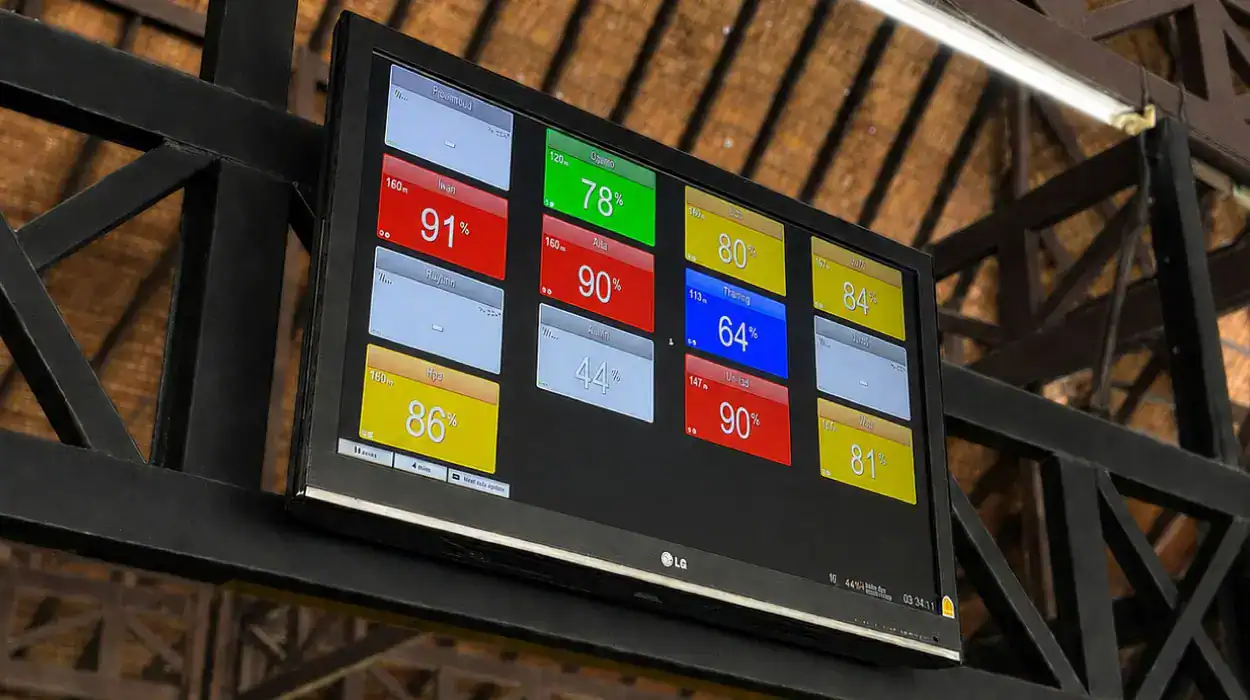
PhuketFit has incorporated heart-rate tracking directly into its Weight Loss Program through its Heart-Rate Zonal Training System. While general consumer trackers are useful for daily activity, PhuketFit uses Garmin™ chest-strap heart-rate monitors, which are loaned to guests during their stay for higher accuracy during exercise. The system displays training zones live on a classroom screen, while coaches help participants stay within an appropriate intensity range.
This creates a more personalized training experience. Rather than everyone simply following the same workout at the same intensity, participants can understand how their own body is responding and adjust their effort accordingly. After the class, results are saved to the personal PhuketFit app dashboard. This allows participants to review their training and receive feedback related to recovery, progress, and intensity recommendations for future sessions.
The system is designed around a simple principle:
Train smarter. Recover faster. Achieve much more.
This approach also reflects PhuketFit's wider philosophy of combining structured exercise with nutrition, recovery, education, and professional guidance rather than focusing on workouts alone.
Why Real-Time Heart-Rate Tracking Can Be Useful During a Weight-Loss Program
Traditional workouts often rely on perceived effort. You might describe a workout as easy, moderate, or difficult based on how it feels. That information is useful, but real-time heart-rate data provides another layer of insight.
During PhuketFit's cardiovascular classes, live heart-rate monitoring can help participants and coaches see whether the current intensity matches the intended training zone. This can help with:
More personalized training
People respond differently to the same workout. Heart-rate data provides an additional way to understand individual exercise intensity.
Better awareness of effort
Instead of guessing how hard you are working, you can see your heart-rate zone in real time.
Smarter intensity management
Not every workout needs to be performed at maximum intensity. Training appropriately can help balance exercise stimulus with recovery.
Progress tracking
Saving workout data makes it possible to look at changes over time rather than relying only on how a single session felt.
Recovery awareness
Understanding training intensity can also help inform decisions about future sessions and when the body may benefit from additional recovery.
What Makes PhuketFit's Approach Different?
For travelers looking for a weight loss holiday Thailand experience, having access to structured training and measurable progress can provide a different experience from a typical vacation.
PhuketFit combines fitness and nutrition with professional coaching, recovery, education, and accountability. Our Weight Loss Program incorporates heart-rate zonal training, with Garmin™ monitors available during cardiovascular classes and workout data stored in the PhuketFit app.
The program can therefore combine several elements of a modern, data-informed fitness experience:
- Heart-rate tracking to monitor training intensity
- Structured workouts to create consistency
- Professional coaching to guide exercise
- Nutrition support to complement weight-loss goals
- Recovery to support sustainable training
- Progress tracking to monitor changes over time
- Accountability to help maintain motivation
For people who find it difficult to establish these habits at home, a structured environment can provide a useful reset.
Why Choose PhuketFit for a Structured Weight-Loss Experience?
Our weight loss retreat Thailand offers dedicated time to focus on fitness, nutrition, and recovery away from everyday distractions.
At PhuketFit, guests follow a structured routine supported by professional coaching, nutrition guidance, and recovery sessions. Garmin™ heart-rate monitors and the PhuketFit app add a data-driven element, helping guests track training intensity and progress throughout their stay. More than a short-term fitness break, the experience is designed to help guests build practical habits around training, nutrition, recovery, and accountability that can continue beyond the retreat.
Ready to start your transformation? Contact PhuketFit today to learn more about our Weight Loss Program and discover how a structured fitness retreat in Thailand can help you achieve your goals.
Frequently Asked Questions