
Buyer’s guide · Updated November 2026 · 10-minute read
How to choose a fitness or weight loss retreat in Thailand
Thailand has hundreds of places offering fitness, weight loss and wellness stays, and from a website they can all look alike.
Written by the PhuketFit team in Rawai, Phuket. We’ve run our retreat since 2012 and answer these questions every day. Updated November 2026.
Start with your goal
The best retreat is the one built for what you want to change. Before you compare prices or photos, write down the one result you want to take home.
The four main types of retreat
Each one does something different really well. Knowing which type you’re looking at makes comparing much easier.
What’s included in the price
Two retreats can quote the same weekly price and include very different things. Ask for a full list, then check it against this one.
- How many coached sessions a week, and how many are with a coach in the room
- All meals, snacks and drinks, or only some of them
- Body measurements, scans or check-ins, and how often
- One-to-one time with a coach
- Recovery: massage, pool, steam room, ice baths
- Workshops on food, sleep and training
- Weekend activities and trips
- Airport transfers
- Your room, and whether it’s priced separately
Coaching and safety
Your coaches shape your whole stay, so it’s worth a few questions before you book.
- Are the coaches full-time staff, and what are their qualifications?
- How big are the classes, and how do coaches adapt them for different levels?
- Can they plan around an injury or a medical condition?
- Is there a first-day assessment, so your plan starts from where you are?
- Who checks in on your progress each week?
Read a few coach profiles and watch any videos. You’ll quickly get a feel for whether this is a team you’d enjoy training with for a few weeks.
Food you’ll actually enjoy
What you eat matters as much as how you train, and you’ll eat it three times a day. Good retreat food fuels your training, fits your goal and teaches you habits you can keep at home.
- Can you see a sample menu?
- Are meals portioned for your goal, with calories or macros worked out for you?
- Is there choice at each meal, including local dishes?
- Are vegetarian, vegan, gluten-free and allergy needs catered for?
- Will you learn how to keep eating this way once you’re home?
How results are tracked
Measuring progress keeps you motivated and shows what’s working. The scale alone only tells part of the story, because it mixes fat, muscle and water.
- Body composition: a 3D scan or similar that shows fat and muscle separately
- Weekly check-ins with a coach to adjust your plan
- Fitness markers, like heart rate during training or strength numbers
- A plan to take home, and a way to keep tracking after you leave
Ask what results guests typically see, and look for real stories with names, ages and numbers. With daily training and food portioned for you, losing 1 to 2% of your body weight a week is a realistic, healthy pace.
Where in Thailand
Each region has its own feel. Think about the weather, how easy it is to fly in, and what you’d like to do on your days off.
When to go
For Phuket and the Andaman coast, the year falls into a few seasons. Every season has its fans, and you can train well all year round.
Room rates at most retreats follow the seasons, so if your dates are flexible, ask for prices across a few months.
How long to stay
Longer stays usually cost less per day and give your body time to adapt. Here’s what each length tends to give you.
Setting your budget
Prices vary a lot across Thailand. These are the things that move the number most.
- The program: training, meals, coaching and recovery. Often the same price all year.
- Your room: from a simple single room to a villa. Rates usually follow the season.
- Length of stay: the per-day price often drops the longer you stay.
- Extras: private sessions, massages beyond those included, trips and laundry.
- Getting there: flights, travel insurance and any visa costs.
Visas, flights and travel
A few practical checks before you book.
- Visas: requirements depend on your nationality, passport and length of stay. As of 18 November 2026, ordinary passport holders from countries including the United Kingdom, United States and Australia are eligible for Thailand’s 30-day visa exemption for tourism. Rules can change, so check the official Thai e-Visa website before you book.
- Flights: Phuket International Airport has direct flights from much of Asia, the Middle East, Australia and Europe, plus easy connections through Bangkok.
- Insurance: choose travel insurance that covers sport and fitness activities.
- Health: if you have a medical condition or take regular medication, speak to your doctor before a training holiday.
Eight boxes to tick before you book
Tick them off as you go. If a retreat ticks all eight, you’re in good hands.
Is PhuketFit right for you?
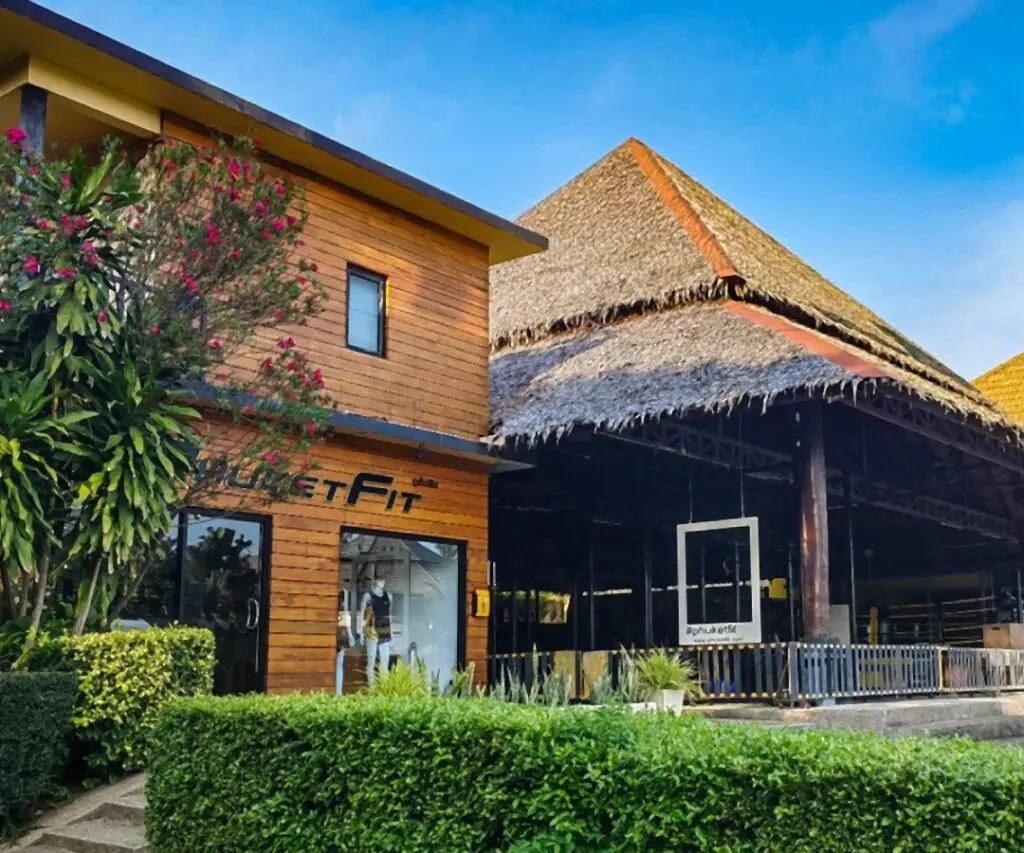
We’re a fitness and weight loss retreat, open since 2012, and 30% of our guests come back.
“I chose Phuket Fit from online search of fitness places in Phuket, Koh Samui, Bali and elsewhere. Read every review, good and bad… I liked PF’s solid program and pricing transparency.”
Common questions about retreats in Thailand
How much does a fitness retreat in Thailand cost?
It depends on what’s included, the room and the season. When you compare, work out the all-in price per day: program, room and meals together, divided by your nights. Ask each retreat for a written quote for your exact dates.
How much weight can I lose at a retreat?
With daily coached training and food portioned for your goal, 1 to 2% of your body weight a week is a realistic, healthy pace, often a little more in the first week. A body scan shows how much of that is fat, which is the number that really counts.
Do I need to be fit before I go?
Most fitness and weight loss retreats welcome every level and adapt classes for you. Walking a little more each day in the weeks before you travel will make your first few days feel easier.
Is it OK to go on my own?
Yes. At many retreats most guests travel solo, and group training and shared meals make it easy to meet people.
What’s the best month to go to Phuket?
November to February is dry and sunny and the most popular. May to September is green season: warm, quieter, with passing showers and often better room rates. You can train well all year.
What should I pack?
Training clothes for every day, two pairs of trainers, swimwear, a refillable water bottle, sunscreen and something light for evenings out.
Get your exact price
Tell us when you would like to come to Phuket and we will send you an exact quote within 24 hours. If you prefer WhatsApp, you can message us there instead.
Or message us on WhatsApp